

The art of
antigym

What happens in an antigym session?
Movements — simple, different, and full of life.
I move my little finger, I swirl my tongue in every direction, I sway my hips outward while keeping my legs together...
Each movement respects the body’s natural limits and physiology — simple on the surface, yet profoundly transformative for the neuromuscular system.
The instructor guides participants verbally, encouraging each person to move at their own pace and rhythm. True success lies not in achieving perfection but in reaching the point where your body naturally pauses — the moment of so-called "failure" is rich with insight. It reveals what the body still fears, what it has forgotten, and what it is ready to rediscover.
Throughout the session, small balls, cushions, and wooden rods support the body's exploration of movement.
"Get to know your body. Truly live inside it. We own an entire house, yet we dwell only in the kitchen!"
Sessions
Antigym sessions are usually held weekly and last about an hour and a half. A basic cycle includes 12 sessions.
They are typically conducted in small groups, although individual sessions are also available.
Guidance is offered solely through verbal instructions — no physical touch — empowering each person to explore and reconnect with their body independently.
Contact
"Before you train your body, you must first understand it."

The benefits of antigym
- Deep relaxation
- Stress reduction
- Freedom and harmony of movement
- Enhanced mood
- Relief from pain and tension
- Increased energy and vitality
"In a world that races ahead, try standing still — and listen to your body."


Breathing
Take a moment to read this text while simply observing your breath.
Send the air you inhale to every corner of your body — and feel.
- What moves?
- What stays still?
- Does your belly expand?
- Your chest?
- Do your shoulders lift?
- Does your neck tighten?
- Does the air reach your back?
- Are your legs calm as you breathe deeply?
Breathing is not just a function of the nose, diaphragm, or respiratory muscles — it is a movement that involves your whole being.
Reflect:
- How does someone with a tight neck breathe? Are they calm? Comfortable?
- How does someone with tense calves, who stands insecurely, breathe? Do they feel safe? Or perhaps anxious?
Breathing brings fresh, cool air into the body and expels warm, stale air full of microbes.
Through this process, the circulatory and nervous systems deliver oxygen to every part of you — nourishing life itself.
The whole body participates, because without breath, there is no life.
About me
I am Anna-Maria Mostratou, a physiotherapist by profession and by passion. I chose this path because I have always admired the perfection of the human body, the wisdom of nature, and felt a deep calling to help and care for people.
Helping… Caring… Words often misunderstood today, both by those who seek healing and by those who offer it.
To care for you, to help you — does not mean to take over for you. It means to walk alongside you, not to carry you.
Each person must take ownership of their own healing journey.
As therapists, we do not heal you — we support you as you heal yourself.
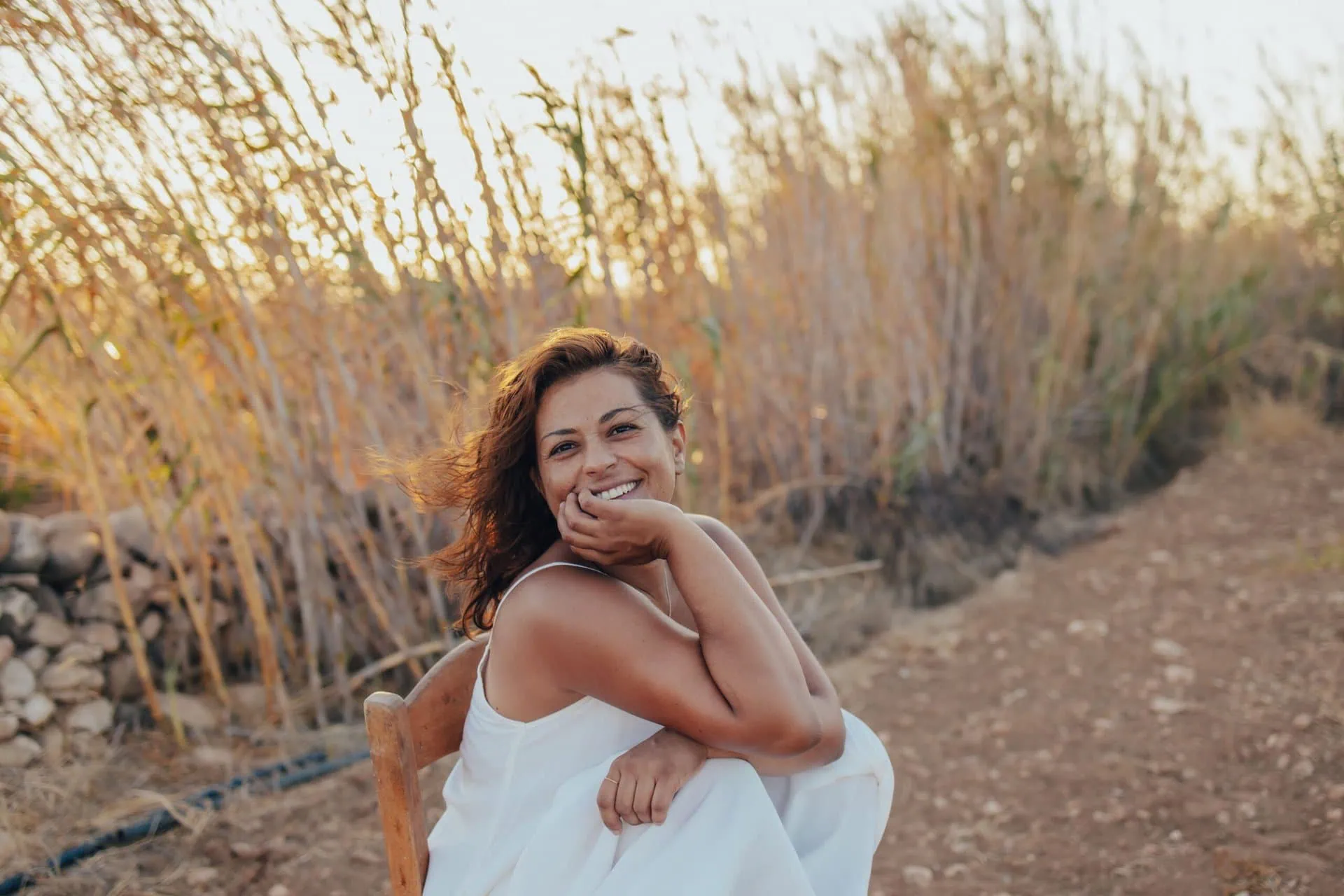

Thérèse Bertherat
Thérèse Bertherat was a pioneering physiotherapist whose curiosity and insight led her to develop the Art of Antigym.
She spoke of a “Tiger on our back — strong, intelligent, and beautiful.” Yet this tiger also carries stiffness, inflammation, and pain — tight muscles that rob the body of its natural balance and grace.
Finding traditional physiotherapy too rigid and narrow,
Thérèse sought out alternative healing paths: bioenergetics, Gestalt therapy, acupuncture, Chinese medicine, and the psychological insights of Freud, Jung, and Wilhelm Reich.
Through her studies and her deep observation of her patients, she shaped the method of Antigym — a new way to listen to, understand, and free the body.